About Path Restore
Care for the person.
Space for the journey.
I’m Rene Gomez. I bring mentoring, wellness coaching, and years of walking alongside people into conversations about how we live and what matters to us.
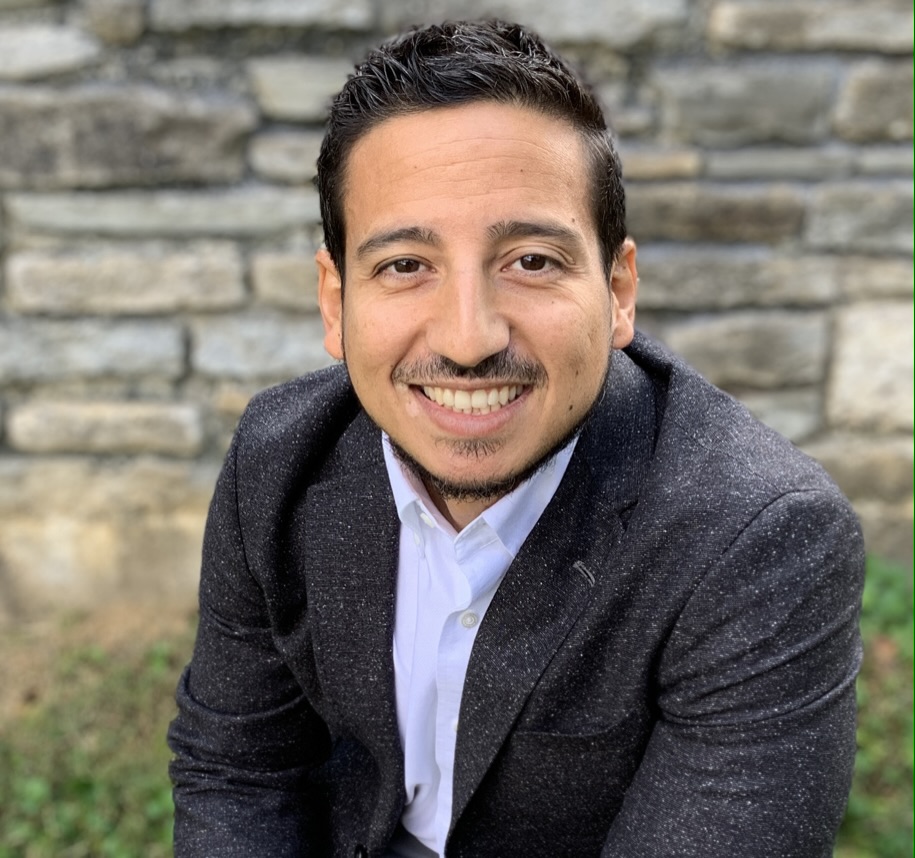
Meet Rene Gomez
Understanding you
comes first.
My work brings together several influences: mentoring, coaching, pastoral care, and counseling experience. Mentoring and coaching best describe how I like to work with people—with room for honest conversation, reflection, and practical change.
I began working closely with people in ministry settings in 2000, first with teens and families and later through pastoral care, mentoring, and counseling roles. Over more than two decades, that work has included walking with people through relationships, family challenges, difficult decisions, grief, transitions, and other complicated seasons of life. I also spent time with Louisville Metro Police Department, where I received emergency crisis-intervention training and worked with people in high-stress situations. Before trying to solve a problem, I want to understand the person living with it. I’m often most useful when the problem matters, but the right answer isn’t obvious.
I don’t see you as a project to be fixed. Change can be difficult, uneven, and deeply personal. I want our conversations to hold both compassion for what makes change hard and personal responsibility for the steps you choose to take.
How I work
Space to reflect.
Something to put into practice.
I prefer to shape our work together around your needs, your season of life, and what surfaces as we talk. We can follow a question that needs more attention while keeping sight of what you want to work toward. The conversation has room to move, and we decide together where to focus.
My coaching background contributes practical tools for goals, habits, wellness, and behavior change. We can use those tools to choose realistic actions, build accountability, and reflect on what you’re learning as you follow through.
Mentoring makes room for perspective and the deeper questions: who you are, what you value, how you relate to others, and where you’re headed. Some conversations lead to a clear next step. Others need time and reflection before that step becomes clear.
After years of pastoral care and mentoring work, I completed formal coach training through Mayo Clinic and became a National Board Certified Health & Wellness Coach (NBC-HWC). My Master of Divinity (MDiv) and pastoral care background continue to shape how I listen and think alongside people. Together, that experience and coaching training help me bring both practical tools and a broader view of a person’s life to our work. My work with couples also includes training as a SYMBIS Approved Facilitator and approved professional access to RELATE.
Change and acceptance
How I Think About Change
I don’t believe needing to change means there is something fundamentally wrong with you. Accepting yourself can include being honest about what needs attention. I see self-acceptance and change as things that can support each other.
I value honest self-examination, especially when the truth is uncomfortable. That means naming a choice, a habit, or harm done clearly enough to take responsibility for it. I want to make room for conviction without condemnation: “I need to change how I handled that” gives us something to work with; “I’m a terrible person” can make honesty harder.
I think virtues help give change direction: courage, humility, wisdom, empathy, responsibility, discipline, and acceptance. In daily life, that might mean having a difficult conversation, admitting a mistake, considering someone else’s needs, or following through on a commitment.
I don’t have a formula for how growth should unfold. I often find small experiments more useful than trying to reinvent your whole life: try something manageable, reflect on what happened, and adjust. A step can be worth taking even when it doesn’t settle everything.
I don’t expect change to make life free of pain. Some pain is unavoidable, but avoidance, denial, resentment, impulsiveness, or neglect can add suffering. Alongside “What is happening to me?” I find it useful to ask, gently, “What am I doing that may be making this harder?” The point is to recognize what is mine to address without blaming myself for everything, then choose the next step with care.
What we can explore
Bring what’s part
of your life.
I enjoy helping people think through relationships and marriage, parenting older teens and young adults, habits and wellness, stress and busy minds, and the priorities shaping their days. You might be navigating a difficult transition, reconsidering your direction, or wanting to be more intentional about how you live.
There’s room for personal growth, purpose, and soul care, too. My Christian background informs my perspective, and spiritual reflection is welcome when you want it. Your questions and values help guide the conversation.
At Path Restore, I offer mentoring and coaching. My pastoral care and counseling experience informs that work; the practice does not provide counseling, psychotherapy, or clinical mental health treatment.
Explore mentoring and coachingThere’s room for your questions.
A free consultation gives us a chance to talk about what brings you here and whether working together feels like a fit.
Schedule a Free Consultation